B.Sc. Biotechnology
4 years
Full Accreditation

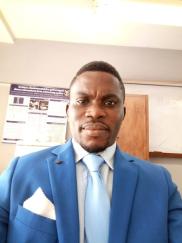 Dr. Adeyinka Michael Gbadebo
HOD, Molecular Biology and Biotechnology
Email:
Dr. Adeyinka Michael Gbadebo is a Lecturer I and Coordinator of the Department of Molecular Biology and Biotechnology at Chrisland University, Abeokuta. He obtained a First Class B.Sc. in Zoology (2009), followed by an M.Sc. (2012) and Ph.D. (2021) in Zoology from the University of Ibadan. His research focuses on environmental, molecular and genetic toxicology, with particular interest in the ecological, ecotoxicological, and systemic effects of environmental contaminants, pharmaceuticals, medicinal plants, and higher fungi on living systems. His research expertise spans environmental pollution assessment, heavy metal contamination, waste management, genotoxicity testing, and systemic toxicology using plant and animal models, including the Allium cepa assay, fish and rodent micronucleus assays. His work has provided valuable evidence linking environmental chemical exposure to genetic and systemic damage, contributing to policies on waste management, environmental health, worker safety, and the safe use of pharmaceuticals and medicinal plants. Since joining Chrisland University in 2021, Dr. Gbadebo has demonstrated progressive academic leadership through several administrative roles, culminating in his appointment as Departmental Coordinator in 2026. He is committed to excellence in teaching, research, mentorship, and community service. He is actively seeking international postdoctoral opportunities to expand research collaborations and advance innovative, translatable solutions for environmental waste management, natural products, and toxicology—his ultimate professional goal.
The Department is domiciled in the College of Natural and Applies Sciences. Biotechnology utilizes biological systems/processes, living organisms, their parts/products to develop or create different products to improve the quality of man’s life. Biotechnology covers many different disciplines (such as genetics, molecular biology, microbiology, biochemistry, bioinformatics & computational biology, etc). Biotechnology permeates every aspect of man’s life and it is the future of the life sciences.
The knowledge of Biotechnology is essential in this present day and in the coming years as focus moves to personalised medicine, biodrugs, renewable raw materials, exploration of waste products, and sustainability. New technologies and products are developed every year within the areas of medicine, agriculture (development of genetically modified plants and animals, biofertilizers, biopesticides, bioherbicides, etc), biofuels, industrial and food biotechnology.
Mission
Vision
To be one of the leading departments in the field of Molecular Biology and Biotechnology and contribute to generating trained manpower capable of taking leading roles in pharmaceutical industries, academia, bio-entrepreneurship and related areas by imparting quality education and training to the students. The Department visualizes the scholastic achievements of its students to fulfill the demand of food, fuel, fiber, and medicines for the ever-increasing global population in a sustainable manner.
Faculty and Staff
Our experienced faculty specializes in various biotechnology areas, including medical biotechnology, environmental biotechnology, industrial biotechnology, and molecular biology.
Academic Programs
Discover undergraduate and possibly graduate programs covering biotechnological genetics, immunology, virology, environmental biotechnology, and molecular biotechnology.
Research and Innovation
We focus on research activities, collaborating on projects, and publishing in peer-reviewed journals to advance scientific knowledge and address real-world challenges.
Facilities and Resources
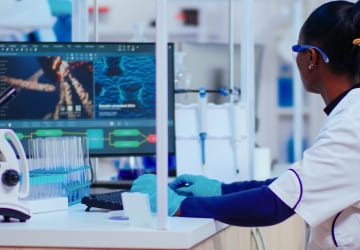
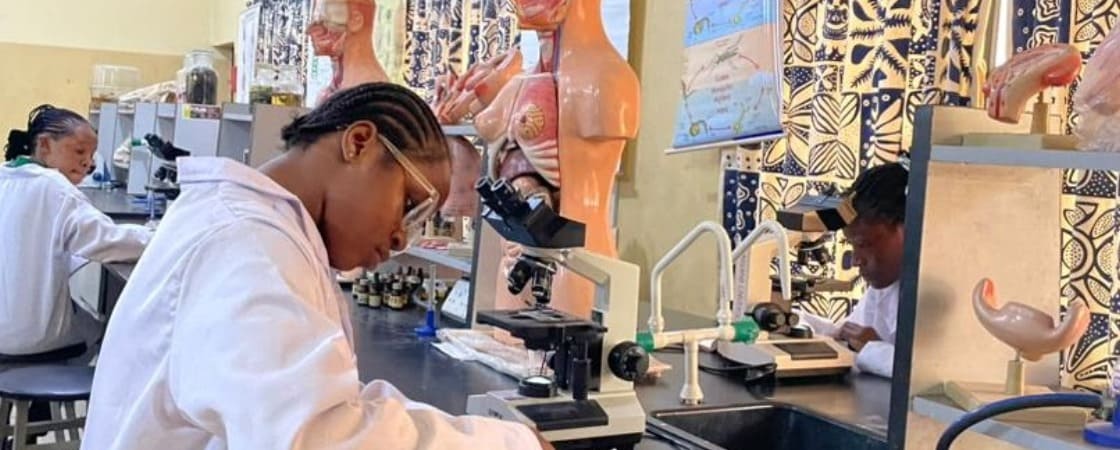
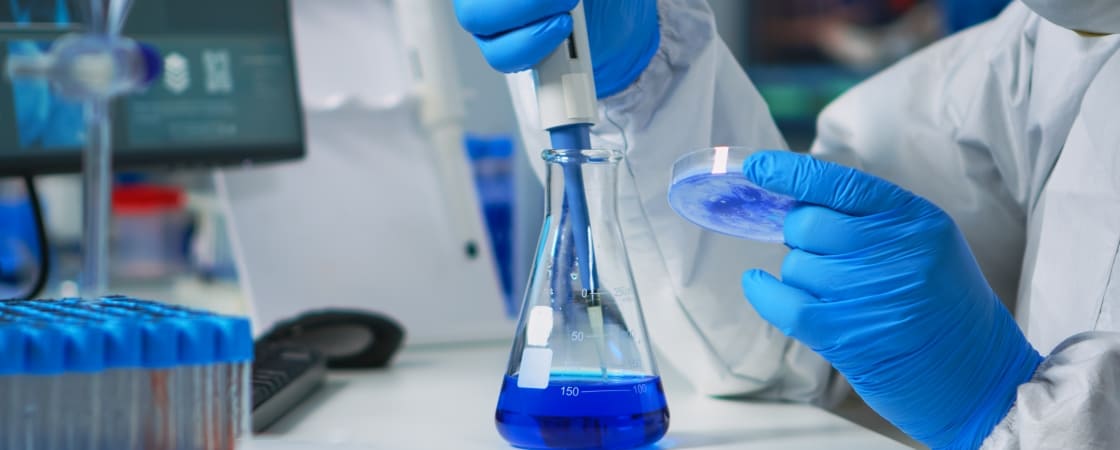
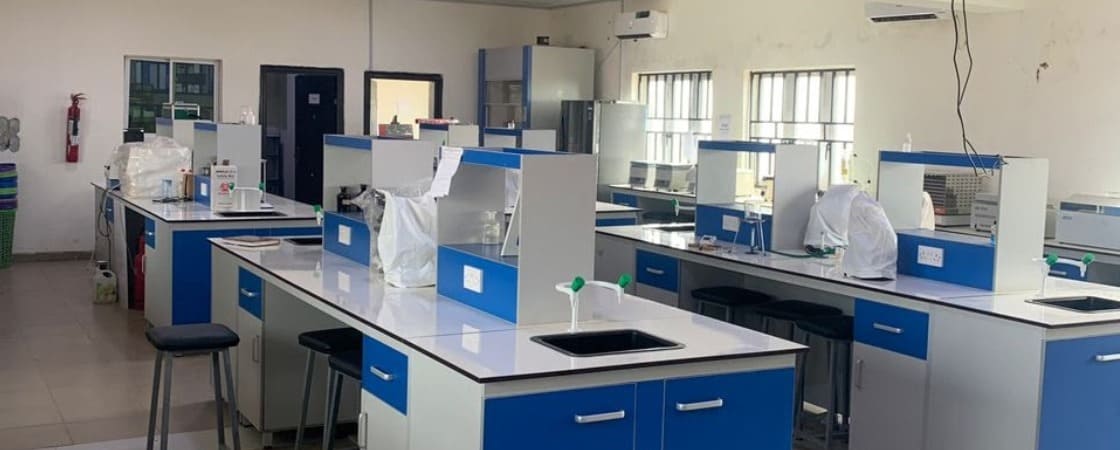
Our well-equipped laboratory facilities with state-of-the-art equipment support research and practical training in biotechnology, molecular biology, and related fields.
Student Opportunities
Students enjoy hands-on research experiences, internships, and collaborative projects with faculty. Seminars, workshops, and conferences are organized for comprehensive student development.
Community Engagement
Engage in community outreach activities to raise awareness about biotechnology-related issues, promote scientific literacy, and contribute to public health initiatives through partnerships with local organizations.
Achievements and Recognition
Recognized for research contributions, academic excellence, and student achievements, our department has received awards, grants, publications, and collaborations. Join us in the pursuit of biotechnological knowledge and excellence.