B.Sc. Biochemistry
4 years
Full Accreditation

 Dr. Oluwatobi T. Somade
HOD,Biochemistry
Email:
The Mission of the Department is to provide our students with a modern, robust and serene platform as an enabling environment for them to successfully lunch their academic quest and radiance and express their intellectualism and innovativeness, encapsulated in a concept of the Total Graduate of great learning and character.
Although the department had developed an emphasis on biochemical toxicology from inception, its philosophy has widened considerably and areas of teaching and research now include enzymology, membrane biochemistry, nutritional biochemistry, molecular biology, molecular toxicology, cancer toxicology and computational biochemistry. In view of the importance of Biochemistry as the meeting place of many scientific disciplines, it is to be hoped that the future will bring greater realization of the need to provide adequate funds for attracting high caliber staff and for procuring modern laboratory teaching and research state-of-the-art equipment.
Philosophy
The thinking and belief that guides the administration of our B Sc Biochemistry degree programme at Chrisland University, Abeokuta, in the nurturing of our students education, is that an Honours degree graduate in Biochemistry should at the end of their training be not only in full and complete command of both the theoretical and practical aspects of Biochemistry
Mission
To provide Chrisland University students with a modern, robust and serene platform as an enabling environment for them to successfully lunch their academic quest and display intellectual radiance in Biochemistry as well as to express that intellectualism and innovativeness, encapsulated in a concept of the Total Graduate of great learning and character.
Vision
To be a world class department of biochemistry that is committed to a mode of teaching, learning and research training activities that constitute a structured combination of the pioneer, the new and the modern basic and practical aspects of learning objectives and outcomes in Biochemistry, and with a view to raising a new breed of cerebral graduates who have innovative and entrepreneurial skills as well as the ability to think new scientific thoughts that impact the society both positively and exponentially and a department that will eventually evolve as an inter-faculty and inter-disciplinary institute, which will have its own Board of Studies and Management and be responsible directly to Senate through a Director.
Biochemical Toxicology and Biochemical Pharmacology; Drug Metabolism & Molecular Toxicology; Cancer Toxicology (Oncology research); Enzymology; Food and Nutritional Biochemistry; Membrane Biochemistry; Molecular Biology; Computational Biochemistry; Protein Chemistry
Foods & food commodities; Food additives; Agricultural, Farm & Dairy produce; Water resources; Beverages; Explosives; Industrial chemicals; Agricultural chemicals; Paints; Household chemicals; Drugs, Medicines & Poisons; Pharmaceuticals; Cosmetics; Tobacco; Agronomy & Farming; Petroleum products; Feeds and feed-stuffs; Customs & Excise; Cement; Public/Occupational/Environmental & Reproductive health care; Education; The Environment; Paints; Poultry; Rubber; Biotechnology & Genetically modified foods; Soaps, Detergents and Disinfectants; Isotopes; Fertilizers; Food hygiene, Public-, Occupational-, Environmental-, and Reproductive health care; International and Domestic Trade; Commerce, Industry and Investment; Poverty reduction; Capacity building; Food security; Food ethics; and Human rights to safe food; Research ethics
Our aims and objectives of the department of biochemistry, Chrisland University, herein after known as The Department, are centered on the execution of programmes, projects, proposals, protocols, and schemes in the areas of Teaching, Research, Learning, Community Service, and National and International Collaboration, according to but not limited to the under listed activitiesꓽ
This aspect is still in its infancy in terms of a departmental research policy and actual collaborative research work. As we expect the imminent take-off of our postgraduate research programmes as well as the establishment of a well-equipped University central laboratory, for both inter-disciplinary and multi-disciplinary research work, this upcoming event promises to signal the much anticipated beginning of intense and purposeful research activities that are indigenous to the department, in particular, and to Chrisland University, in general. The under listed items, are some of the current personal research efforts within the department by individual members of the academic staffꓽ
Departmental Achievements
1. On two occasions since the inception of the Biochemistry Department in 2018, the department has produced the best graduating students at the Chrisland University Convocation Ceremony for the award of first degrees, presentation of prizes and recognition award in the entire University in the persons ofꓽ
2. The most senior professor of Biochemistry, by rank, in the entire Nigerian Universities Commission (NUC) teaching system, is a full-time member of staff our department in the person of the pioneer and present Head of Department, Professor Emmanuel N. Maduagwu FAS.
3. The department has been fortunate to attract to its staff, two eminent Visiting Nigerian biochemists in the persons of Professor Ebenezer O. Farombi, of the Biochemistry Department, Faculty of Basic Medical Sciences, College of Medicine, University of Ibadan (Nigeria) and Dr. R. O. Osoniyi (Associate Professor) from the Biochemistry Department, Faculty of Science, Obafemi Awolowo University, Ile-Ife (Nigeria), who have since joined the department to enrich our experience
4. Our staff strength, as at the time of going to Press, is on the increase and the following cader of staff make up a formidable work force of the department at presentꓽ
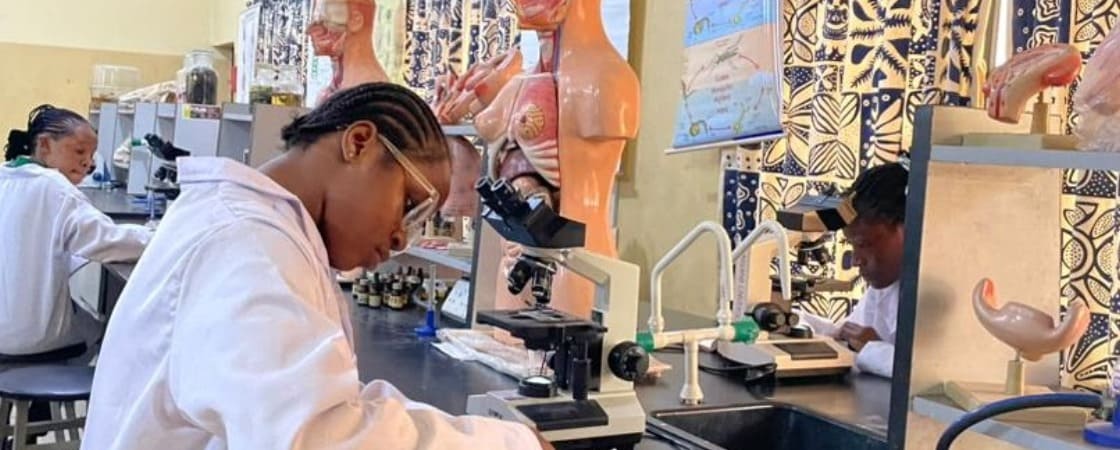
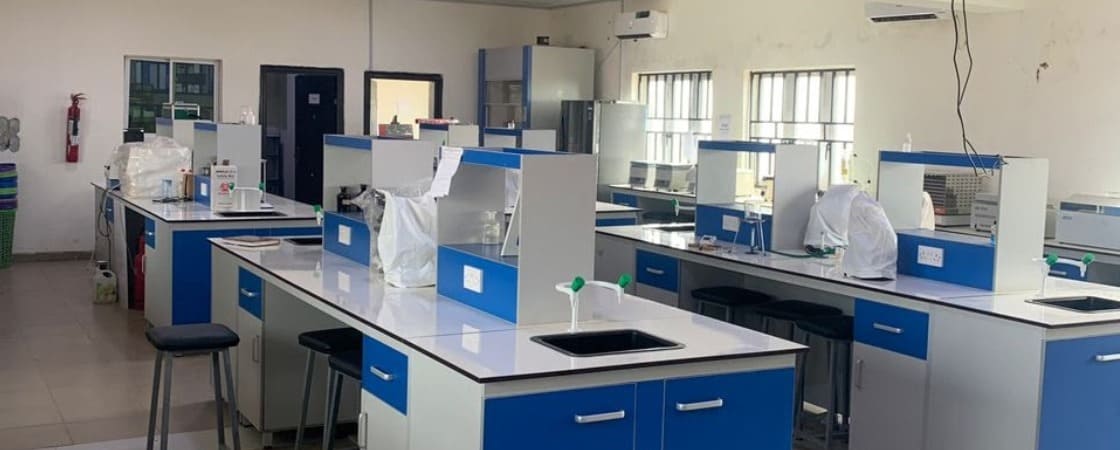
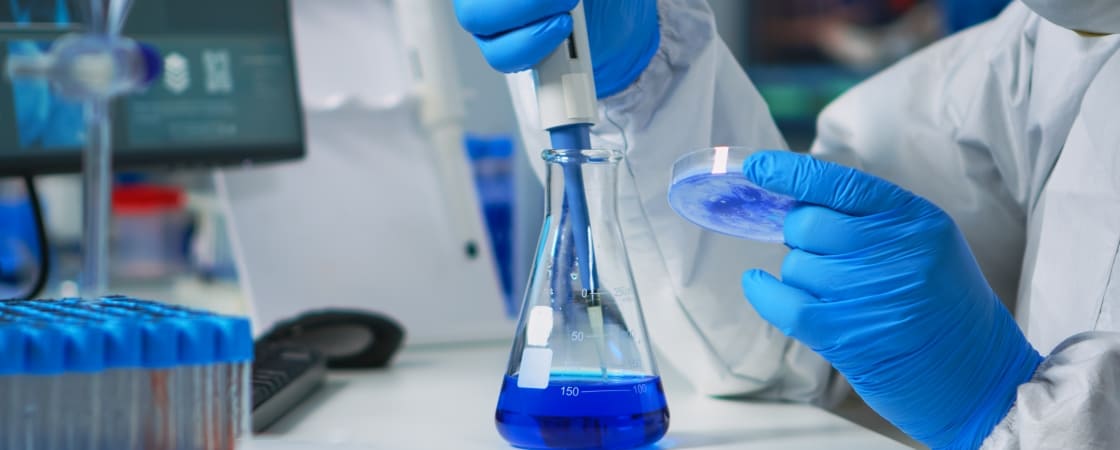
Our Laboratories, which include aTeaching Laboratory and an Animal House, are unique in the services they offer but would need expansion because of the growing number of students from other colleges who require biochemistry as part of their curriculum.